◆ ◆ ◆

My Grandfather's Watch

An investigation
Scroll ↓
Phase One

The Questions

When the watch came into my hands, I knew almost nothing about it. Only that it was old, and that it was gold. Before any research could begin, I had to decide what I was actually trying to find out.

1
When was it made?
2
Who made it?
3
How does it work?
4
Which country is it from?
5
How valuable is it?
A note on watchmaking

Why these questions are harder than they sound

A watch from the early 20th century rarely tells you its story directly. Dials were often unsigned. Case makers, movement makers, retailers and importers were frequently four different companies in three different countries. The answer to "who made it" can have five correct answers depending on what you mean. Provenance is detective work — and the clues are stamped, in miniature, on metal.

To get answers to these questions, we can examine the watch for clues.

Phase Two

The Watch

Here is the watch itself. Take your time with each image — click to zoom in. As you look, note what you see. Anything that feels like a clue, however small. Type it into the evidence box below each photo.

Phase Three

The Research

Each piece of evidence we flagged becomes a thread to pull. Some lead to clean answers. Others open small mysteries of their own.
01
Material
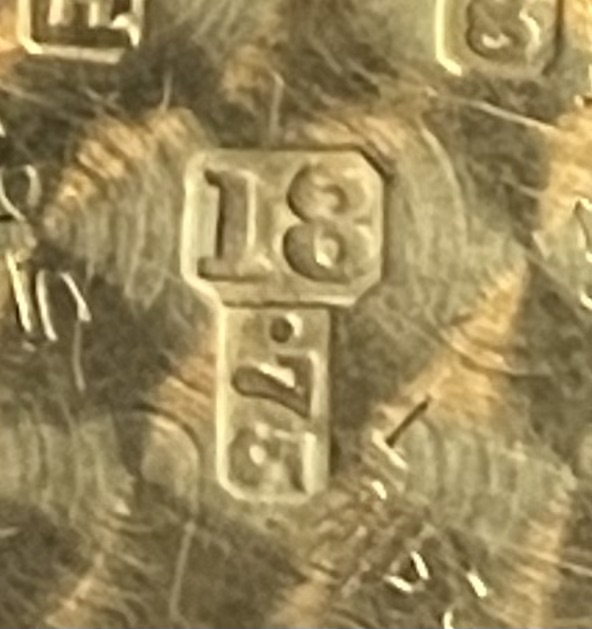
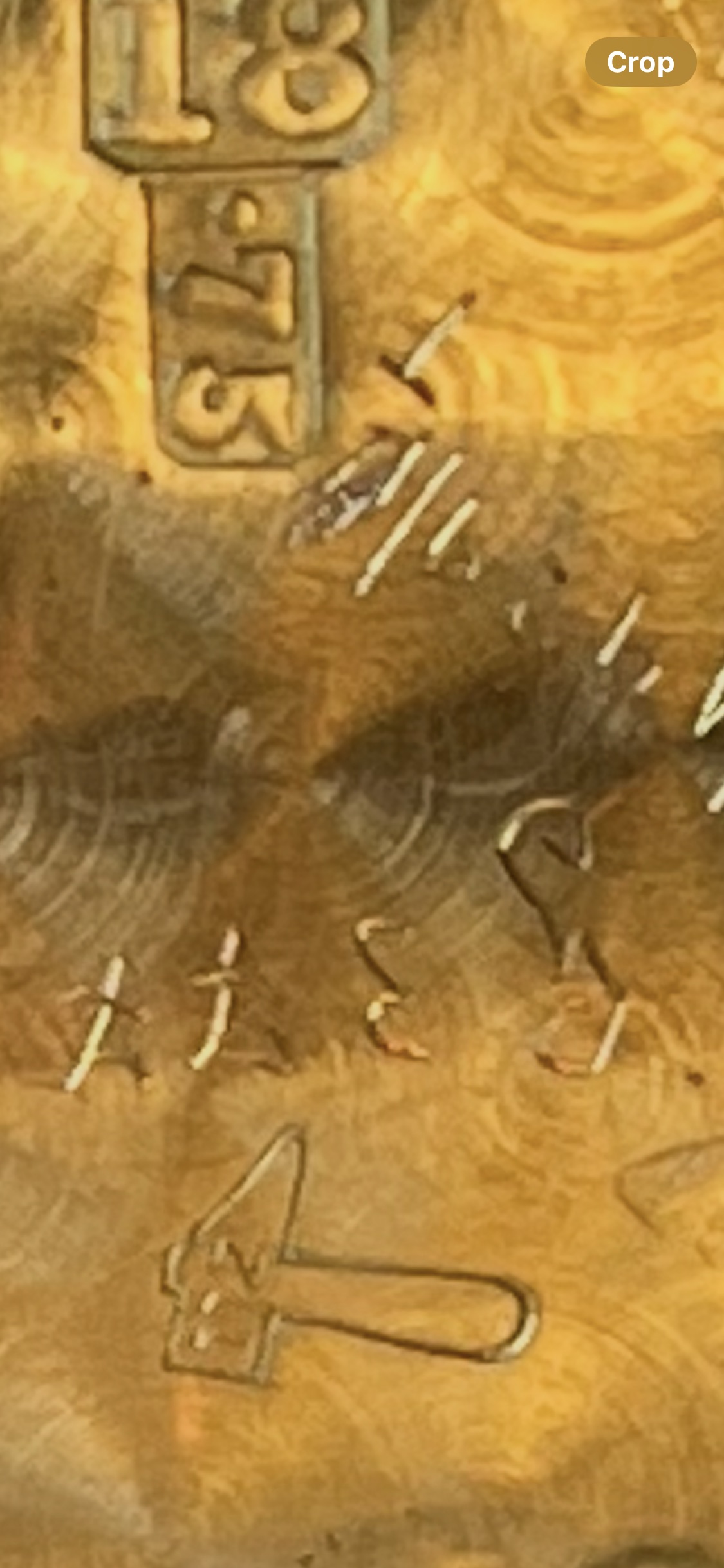
18.75 purity stamp

The "18.75" stamp

Stamped inside the case is the mark 18.75. This is a continental purity mark: 18-carat gold at 75% purity — in other words, 750‰. It is unambiguous.
Finding — this is a solid gold watch.
02
Import hallmarks
Glasgow Assay import hallmarks

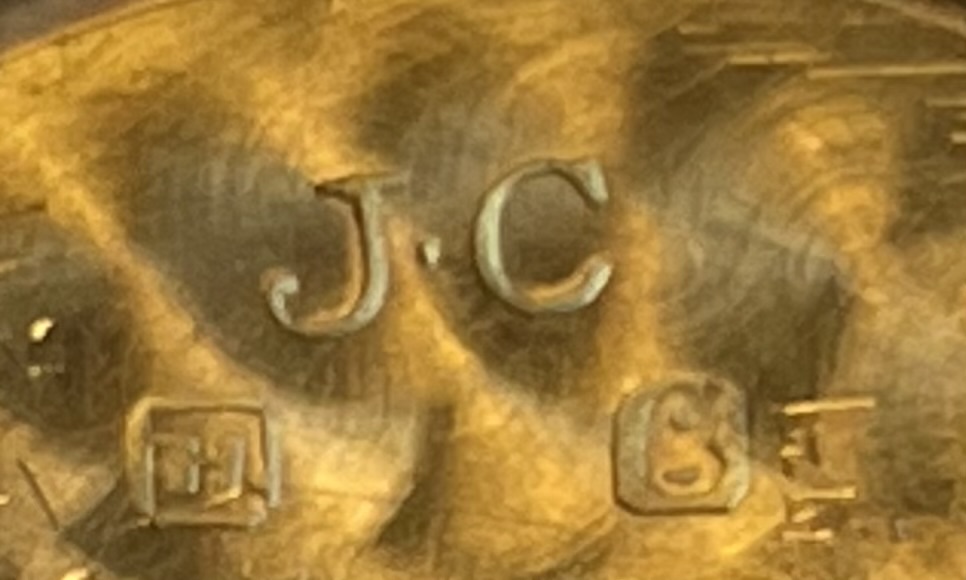
The twin "F" marks

In the position reserved for British import hallmarks sit two stamps showing twin F's — the assay mark of the Glasgow Assay Office. Cross-referencing Glasgow's date letter tables gives us the year the watch was submitted for assay: 1929–1930.
Finding — we now know when the watch was made.
03
Casemaker
Hammer poinçon mark

The hammer and "112"

A small stamped hammer containing the number 112 is a French-style poinçon de maître — a master's mark — that traces to Ducommun, a known casemaker. But here we hit a small wall. The surviving registration records for the hammer-only variant of the mark don't extend back to 1929, even though Ducommun is registered with the later hammer stamp.
Finding — a confident identification with a small mystery attached.
04
Serial number
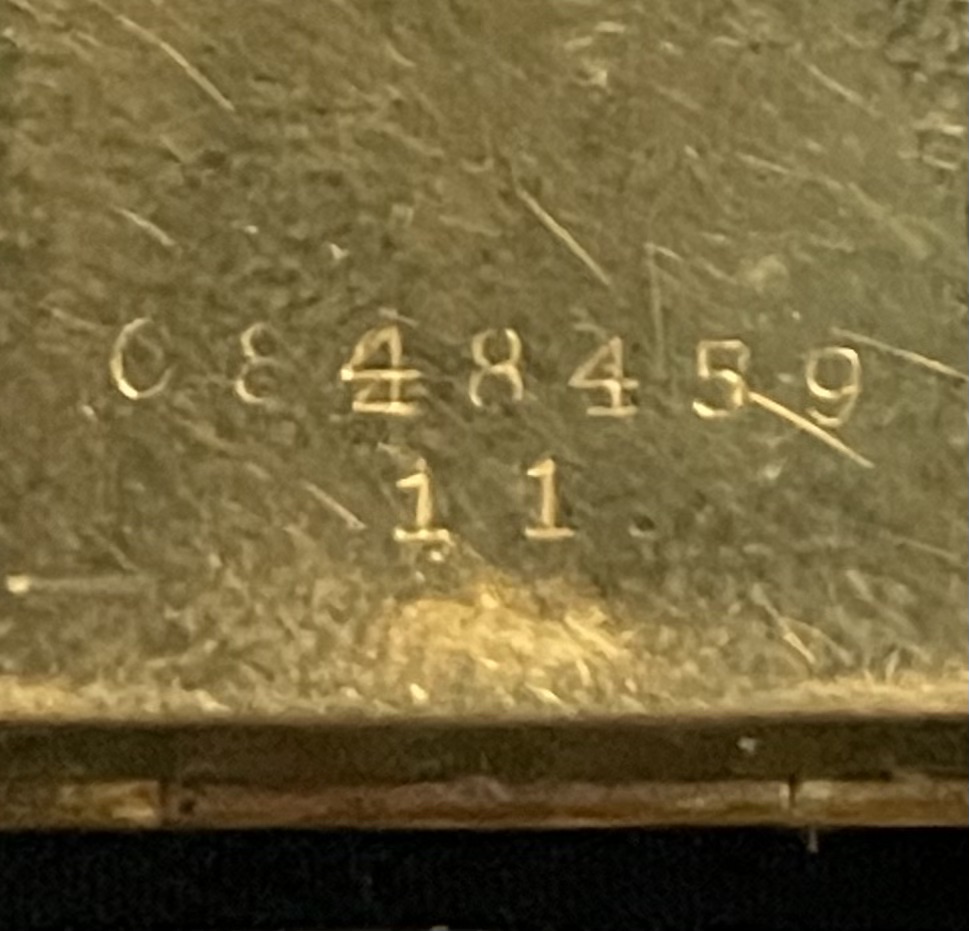
Case serial number

0848459 11

The back of the case carries the serial 0848459 11. It looks definitive, and it isn't. In this period, serial numbers are notoriously unreliable as an identification source — they behave more like patent numbers than modern serials, often recycled or reassigned.
Finding — a dead end, but a useful one.
05
The dial
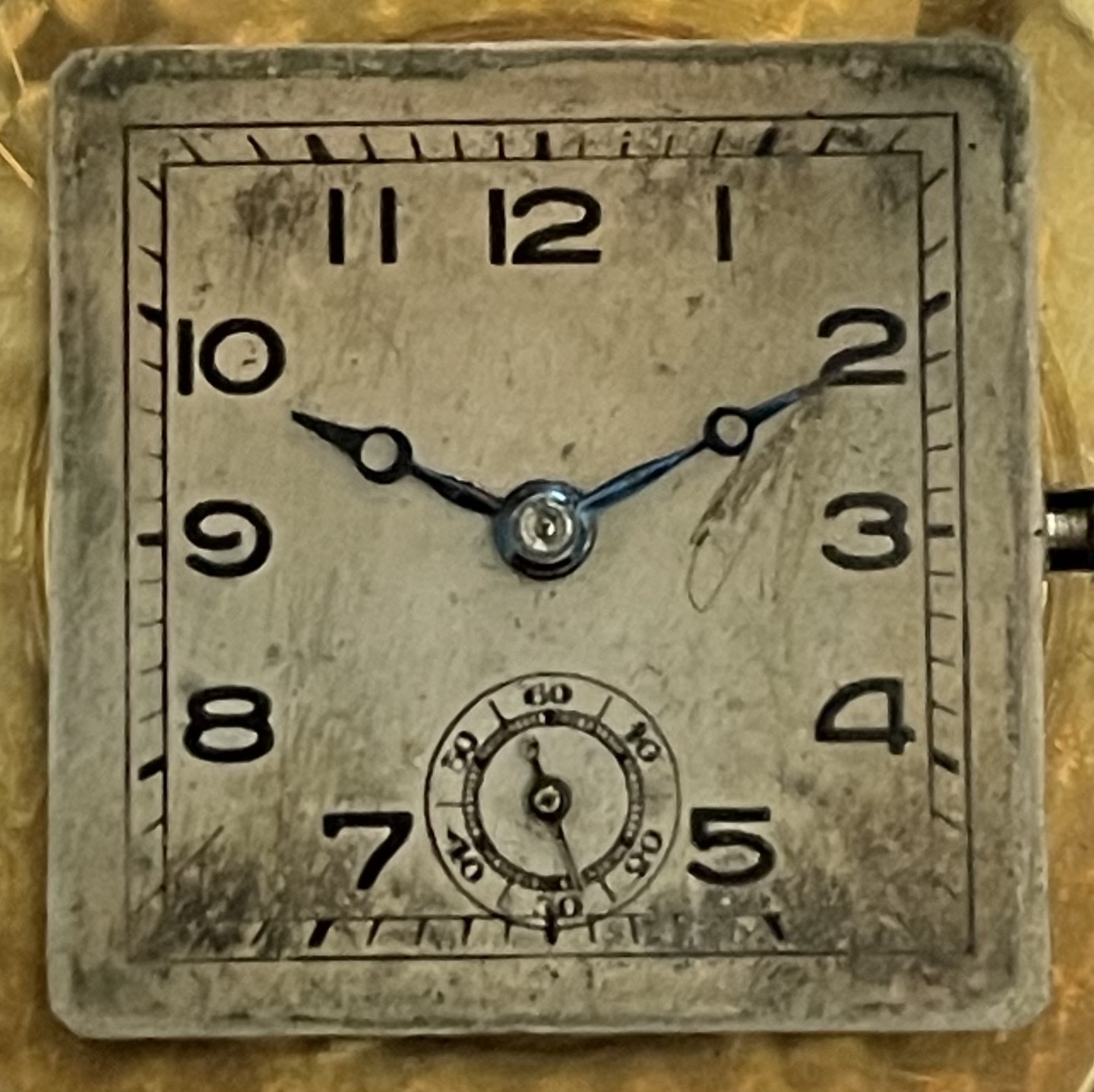
Unsigned dial

No signature. No brand name.

The dial is blank of any maker's name. This feels wrong to a modern eye, but research into the period tells a different story. In the 1920s, a gold watch was the desired object. The brand was secondary — sometimes deliberately absent — because the metal and the craftsmanship spoke louder than a logo.
Finding — the unsigned dial is period-correct, not suspicious.
06
The movement
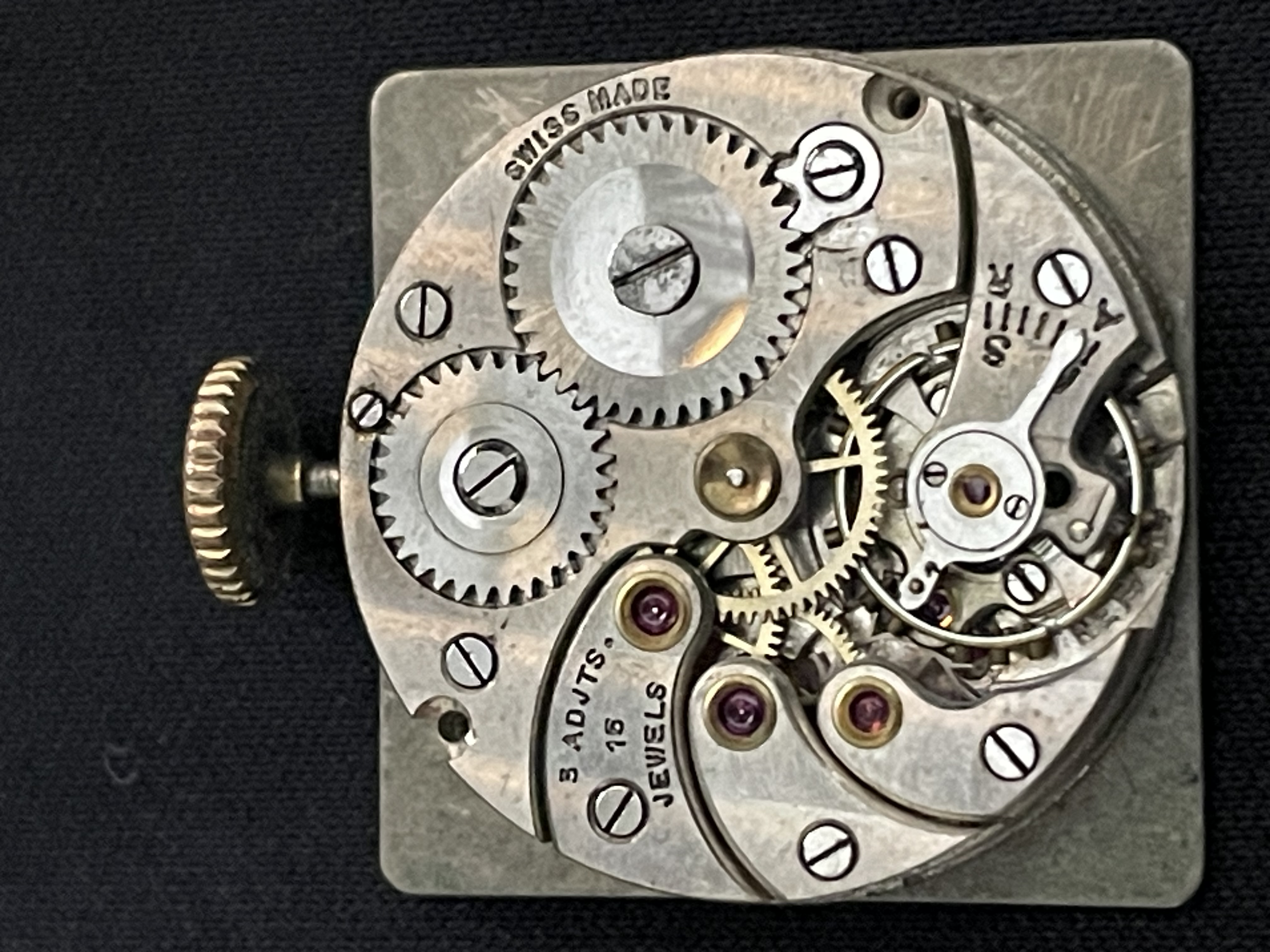
Cyma Tavannes movement

Swiss made, three adjustments

The movement is distinctive in style and marked Swiss Made with three adjustments for precision — a specification that was uncommon in 1929 and a signal of a genuinely high-grade watch. Following the architecture and layout of the calibre leads us to Cyma Tavannes, almost certainly the Hunter 1 ébauche. A manual-wind movement.
Finding — a top-tier Swiss movement from a serious house.
07
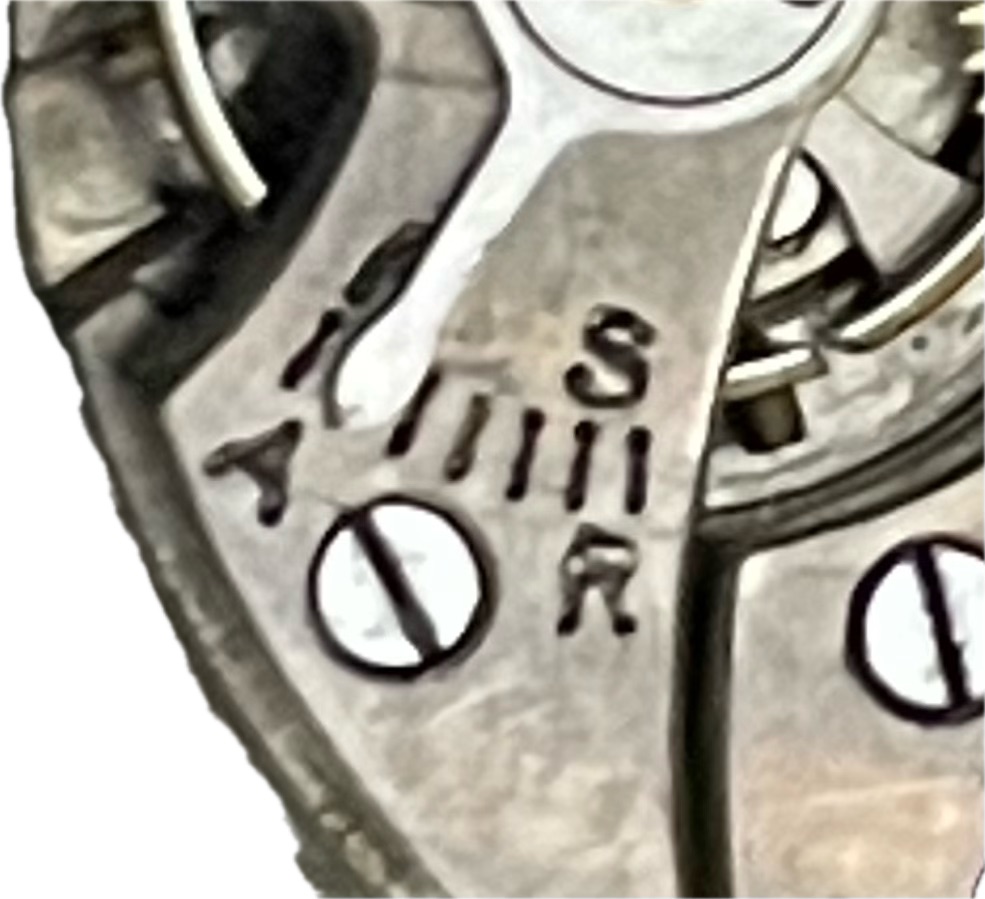
"RA SR"
RA SR engraving

A translation for the UK market

Engraved on the movement: RA SR. These are French watchmaking abbreviations translated for use on Swiss watches imported into the United Kingdom — regulator and second marks repurposed for the English-speaking market.
Finding — the watch was prepared specifically for the UK.
08
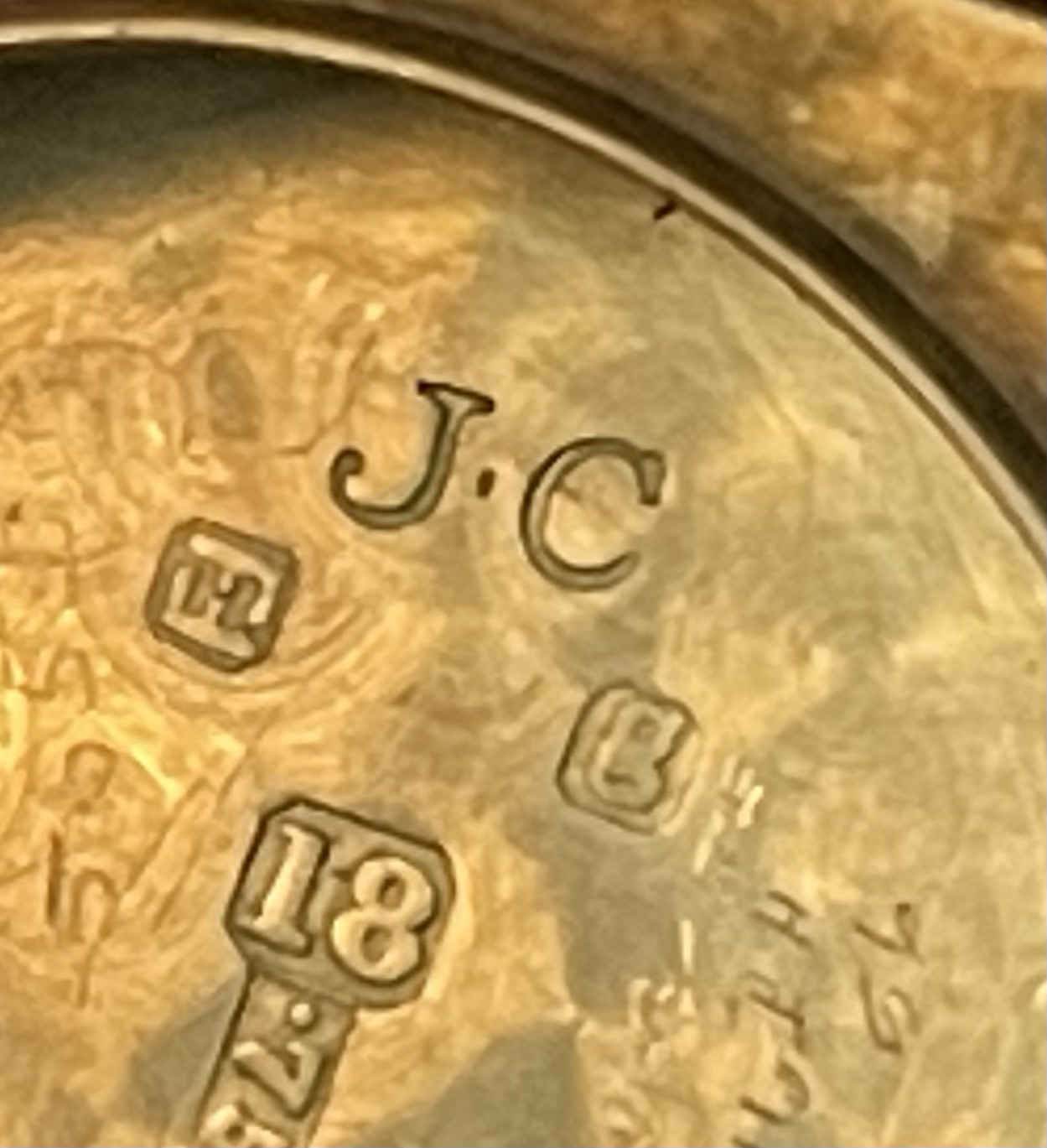
The J·C stamp
J·C sponsor mark

The sponsor's mark

The most important stamp of all sits in the sponsor's position: J·C. In British hallmarking, the sponsor's mark is the legal declaration of responsibility — whoever's initials sit there is guaranteeing to the Crown that the metal is what it claims to be. It is not necessarily the maker; it is the party accountable for the object's provenance.

A search of the Glasgow Assay Office registers returns a swathe of watchmakers and retailers with "J.C" hallmarks around 1929. Which one is ours?
Finding — this is the thread we have to pull next.
Phase Four

Authentication Checks

With the evidence assembled, I took the watch to the people who would know. What followed was a chain of conversations across three cities.

Cartier Ambassador
Eindhoven
  • Thought the watch resembled a piece he had seen at a Cartier exposition the previous year.
  • Was unsure — the dial didn't quite match what he remembered.
Cartier Boutique
Amsterdam
  • Admitted the watch looked like early Cartier pieces.
  • Flagged that it was missing key Cartier hallmarks.
  • Sent photos onward to Cartier Paris — who found no Cartier signifiers in their records.
  • Recommended escalation to Cartier London.
Christie's
Specialist Watches
  • Christie's were interested.
  • They pointed me to a watch previously sold at auction by Sotheby's.
  • This listing becomes the key.

The Sotheby's twin

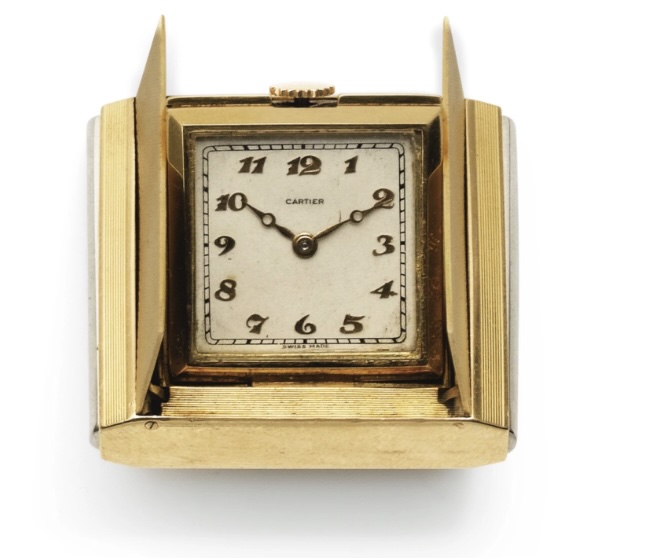
The watch Christie's referenced is a Cartier travel watch sold at auction. The Sotheby's description reads as follows:

Manual winding movement, running at the time of cataloguing. Dial signed Cartier. Interior of case behind watch with British hallmark for Glasgow, 18 carat gold (750‰), date letter g for 1929. Initials JC for Jacques Cartier, numbered 319. Inscribed SFG Brev. Dep. Tavannes Watch Co Swiss, numbered 0828496 46. Sotheby's — lot description

Read that slowly. Glasgow. 1929. 18 carat gold. JC for Jacques Cartier. Tavannes Watch Co. Every single hallmark on my grandfather's watch matches — the assay office, the year, the metal, the sponsor's initials, and even the Swiss movement manufacturer. The serial numbers are adjacent. These are siblings.

Sotheby's listing of the twin Cartier travel watch

Given this, Christie's asked me to send the watch in for further investigation. I thought about it for a long time. And then I decided instead to have it restored, and to wear it.

Phase Five

The Man Behind the Watch

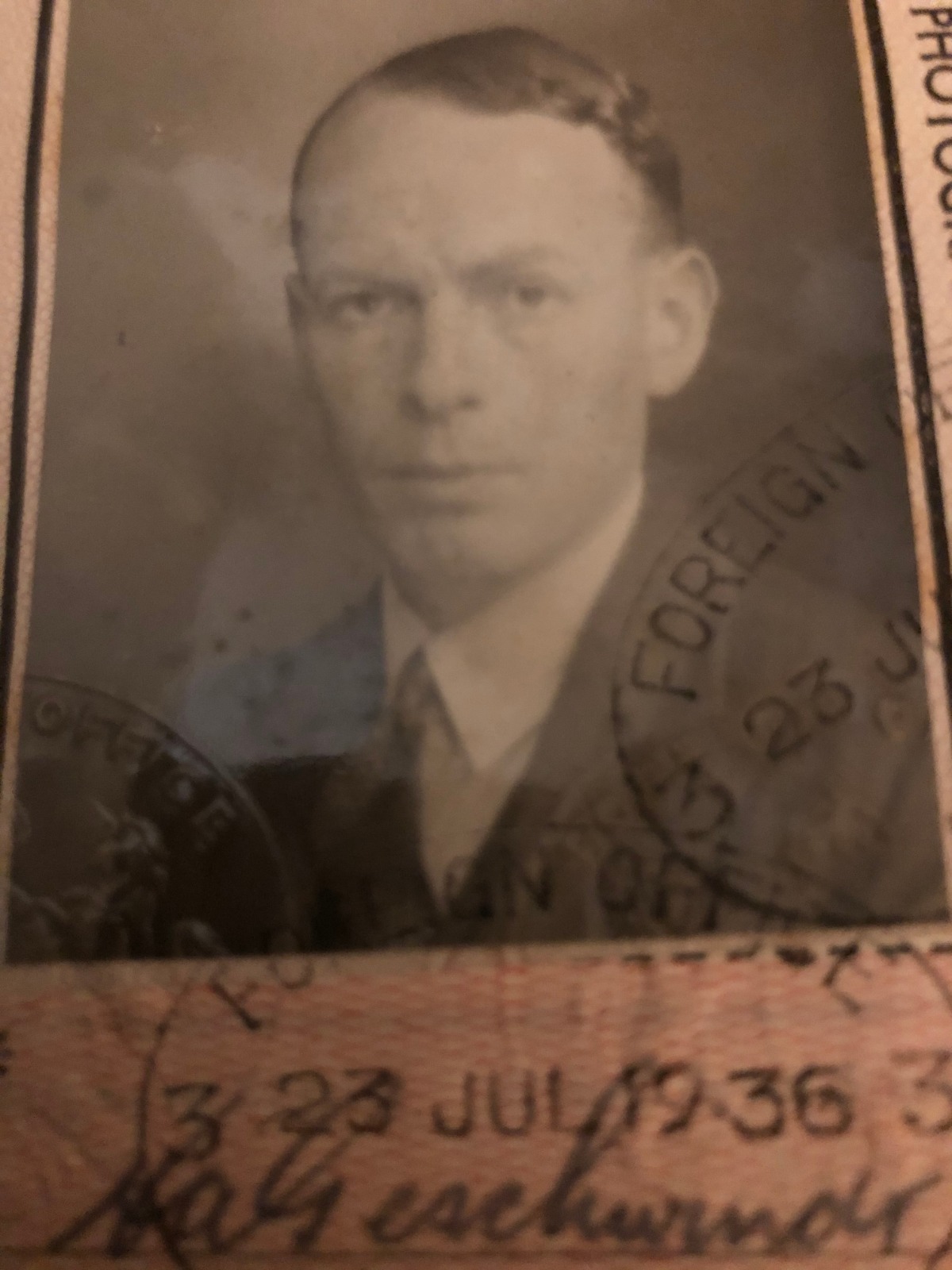
All of this research — the hallmarks, the assay offices, the auction twins — matters because of whose wrist it was on. My dad gave me this story on 13 January 2026, in honour of his father.

Archibald Geschwindt
  • Archibald Geschwindt
  • Born in 1903
  • Attended Moberley School — previously known as Harrow Road School
  • Worked for the Great Western Railway out of Paddington for more than 45 years
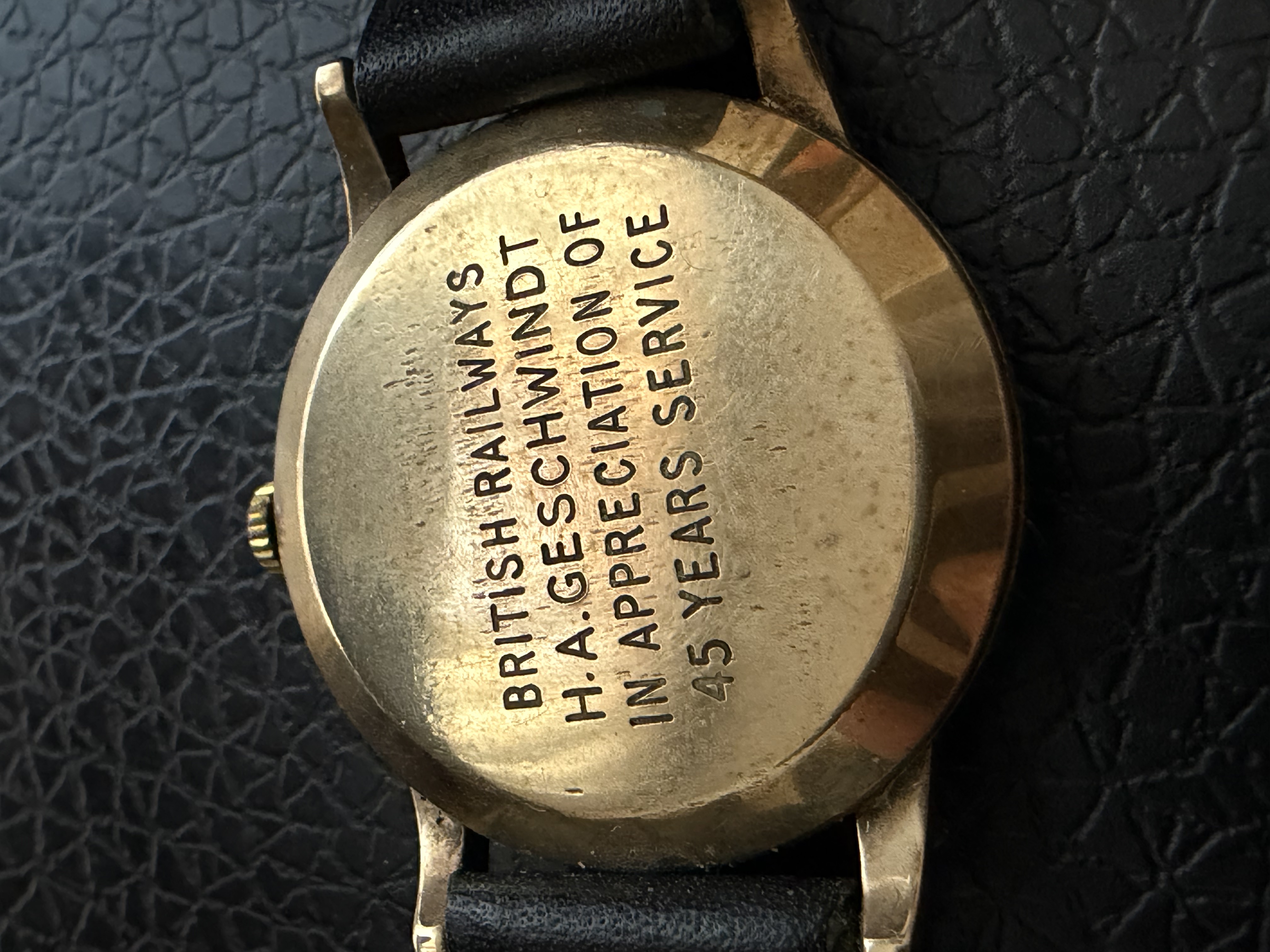
  • He was given another watch to commemorate his service to the railway
  • A Smiths De Luxe, with an engraving on the back

A life at Paddington

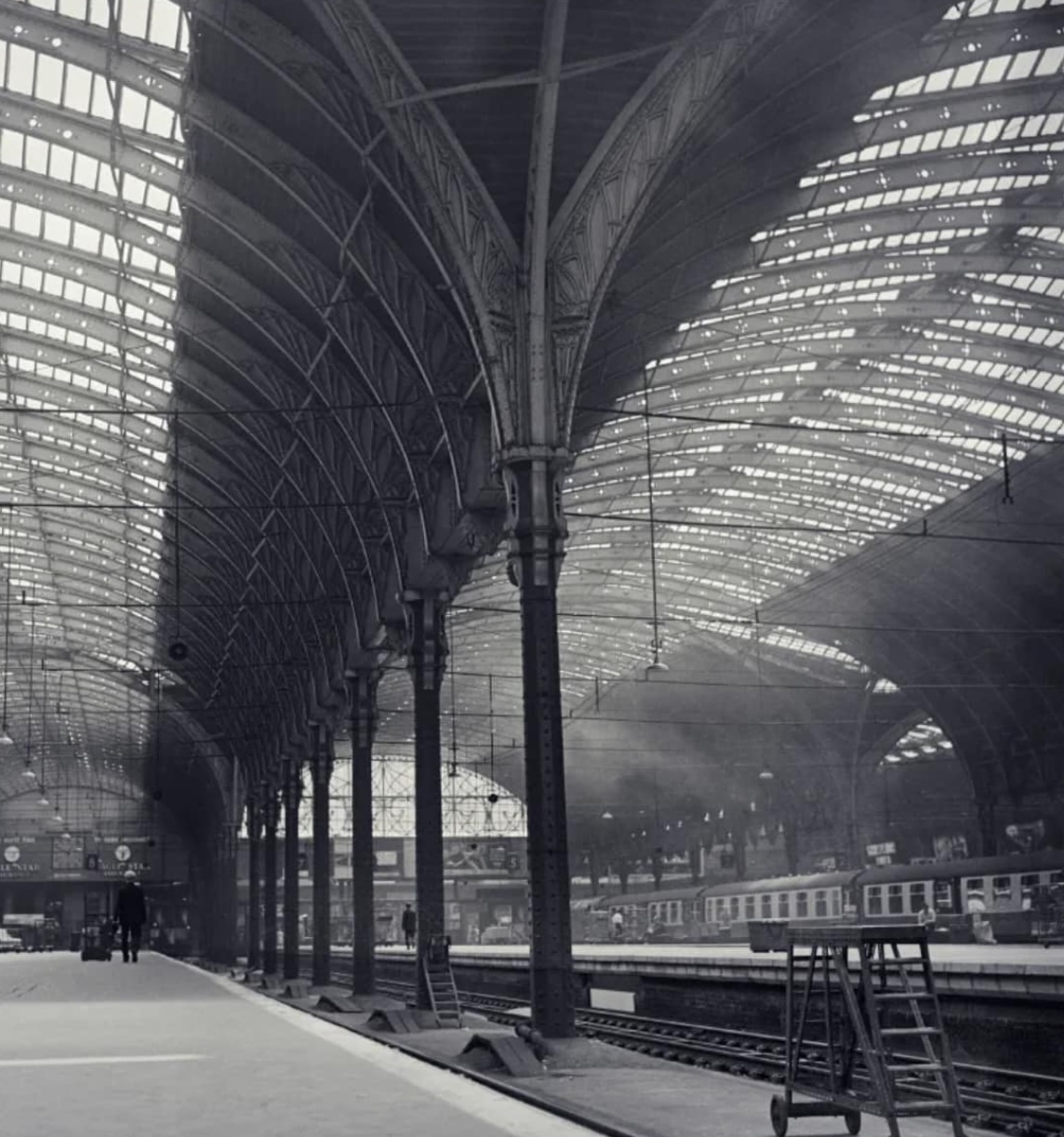
Archie joined the Great Western Railway as a young man and spent more than forty-five years with the company, working as an accounting clerk out of Paddington station. When he started, the GWR was still privately owned — one of the "Big Four" British railways, operating its own locomotives, its own stations, its own livery. By the time he collected his long-service watch around 1963, the GWR had been nationalised into British Railways' Western Region for fifteen years, but the old name still stuck in the offices at Paddington, and the culture of the place hadn't really changed.

The work itself was the quiet machinery behind the railway: ledgers of freight receipts, passenger revenue reconciled station by station, wage sheets, supplier accounts, and the endless columns of figures that kept trains running on time. A forty-five-year career as a clerk is not a glamorous story. It is a story of showing up. Every working day, for most of a lifetime, to the same building at the end of the same platforms.

Paddington Station, Great Western Railway

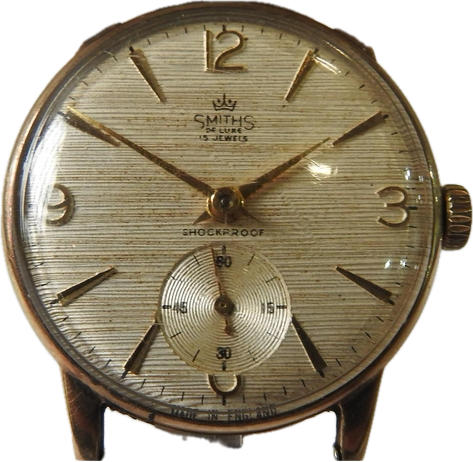
The Smiths De Luxe

The Smiths De Luxe is notable for being the other watch that summited Everest in 1953 — worn alongside the Rolex Explorer on Sir Edmund Hillary's wrist.

Smiths De Luxe dial Smiths De Luxe with engraved caseback

… but that's a story for another day.